Research Seminar – Human Ghosts in the Machine
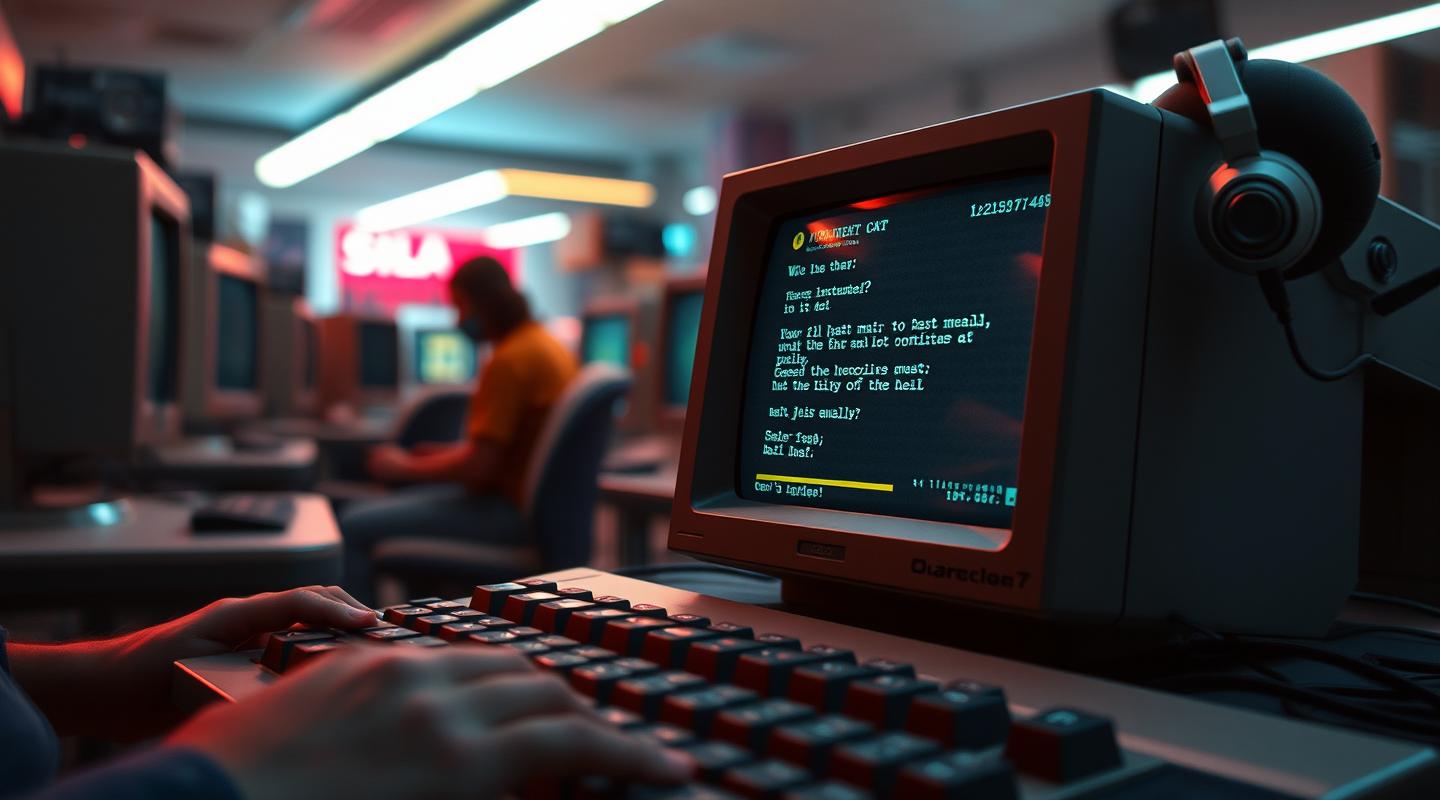
Header image generated using the Flux AI model and prompts that explore Ai concepts and historical figures.
Carolyn Pedwell spoke in conversation with Paula Bialski in a research seminar hosted by Lancaster University’s Centre for Science Studies on 11th February 2025 as part of their ‘Talking STS’ series.
Chaired by Joe Deville, the discussion on 11th February focused on the forms of relationality and sensi(a)bility that go into maintaining software infrastructures.
Carolyn spoke about research from her British Academy Mid-Career Fellowship (2024-25), ‘Speculative Machines and Us: Intuition, AI, and the Making of Computational Cultures’.
Paula drew in part on work that has informed her recently published book, published by Princeton University Press, Middle Tech: Software Work and the Culture of Good Enough.

Human Ghosts in the Machine: A Talking STS Seminar
Unless a programmer is working in a brand-new start-up, software developers don’t develop code from scratch. Software projects, especially in older ageing corporations, are built on years and years of work created by other developers. These developers, while building our everyday infrastructures, not only have to make sense of their own code but also so-called “legacy code” – old lines of code that were written by other developers that keeps existing in the code stack.
This event looks at the past and the present of working with media systems and the relational and sensory understanding of software. Developers not only live in a culture of sense-making or “figuring stuff out” in relation to their current colleagues’ practices but also in relation to years of other developers’ code, or “ghosts” of coders who left the company, yet their creative output lives on in the present. Computing systems also depend on and (re)produce various modes of common sense that entangle historical and emergent cultural, socio-political, economic, and ecological ‘truths’ about how the world works.
Software is an “object subject to continuous change and lived with over time as it evolves” (Cohn 2019, 423), one that does not sit still “long enough to be easily assigned to conventional explanatory categories” (Mackenzie 2006, 18). It is therefore crucial that we understand the complex forms of relationality and sensi(a)bility that go into maintaining our software infrastructures, understanding software as a relational object made up of different worldly ontologies and creative voices of coders who are forced to interact with one another as their software system evolves. Computational common sense, in turn, is a recursively mediated set of relations and a pertinent site of both sociotechnical discovery and “political struggle” (Gramsci, 1971).