The personal computer
The personal computer, popularised by machines like the IBM PC and the Apple II, partially democratised computing in Britain, North America, and beyond.
If, in the 1940s and 1950s, digital computers were seen as ‘too fragile, valuable and complicated for nonspecialists’ (Rheingold, 1985: 14), the 1970s and 1980s mark the moment when these new “thinking machines” start to permeate public consciousness as they enter homes, schools, and workplaces (Turkle, 1984, 1995).
This period is animated by optimism about the role personal computers might play in extending human potential, connectivity, and political engagement, alongside fear concerning the prospect that they would rapidly usurp human qualities, labour, and expertise (Pedwell, 2022).
Scientists and engineers imagined how, beyond its role as a calculating machine, the digital computer might enhance our intuitive capacities ‘to speculate, build and study models, chose between alternatives, and search for meaningful patterns in collections of information’ (Rheingold, 1985: 15).
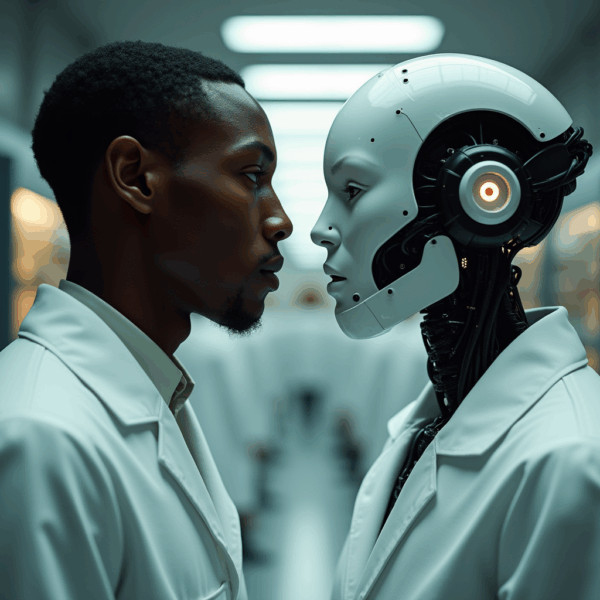
For others, however, intuition consolidates in this context as a lived, embodied, and sensory capacity which distinguishes humans from machines.
In interviews with the sociologist Sherry Turkle in the 1970s and 1980s, for example, adults and children similarly define what it means to be human on the basis of what computers can’t do, which centres on ‘intuition, embodiment, emotions’ and the possibility of ‘spontaneity’ (Turkle, 1995: 83).