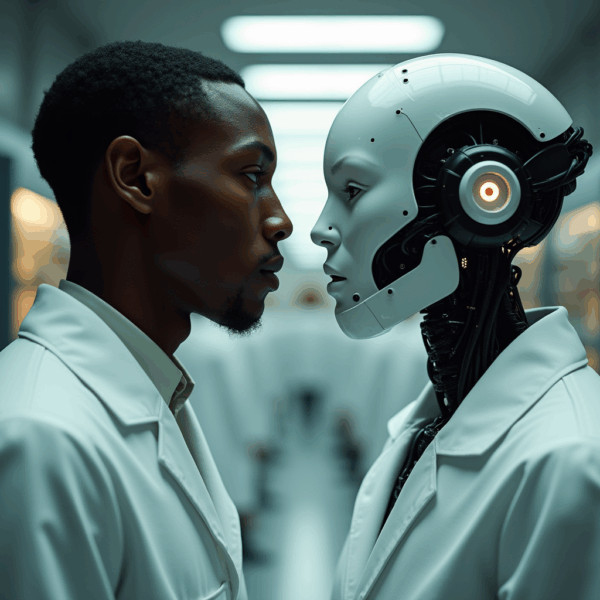
Algorithmic life
Algorithmic life describes how algorithms, from Bayesian networks to LLMs, govern the everyday.
Our current historical moment is one in which software, AI, and algorithms are increasingly shaping the conditions of social existence – pushing forward Alan Turing’s speculative account of a future in which ‘machines would exceed the rules-based decision procedures and extend to the affective pull of intuitions for data’ (Amoore, 2020: 57).
With the post-millennial rise of Web 2.0 and a range of social media, entertainment, retail, governmental, and logistical platforms powered by machine learning, expressions such as “algorithmic life”, “algorithmic logic”, “algorithmic imagination”, “algorithmic governance”, and “algorithmic bias” punctuate public discourse.
Critical commentators debate, in turn, the nature and implications of “algorithmic thought” in our unfolding ‘common space of decision, classification, prediction and anticipation’ (McKenzie, 2017: 10).
The media theorist Taina Bucher defines the “algorithmic imaginary” as involving not only the ‘mental models’ that people develop in relation to algorithms but also ‘the productive affective power that these imaginings have’ (2017: 41) – and, crucially, how, in ‘ranking, classifying, sorting, predicting, and processing data’ algorithms ‘make the world appear in certain ways rather than others’ (2018: 3).
What has been termed “artificial intuition” consolidates in such socio-technical conditions.